Done
Old depot yard
A county bus depot that burned in the 2025 fire, on top of an old diesel spill. Our first site, and the one we learned the most from.
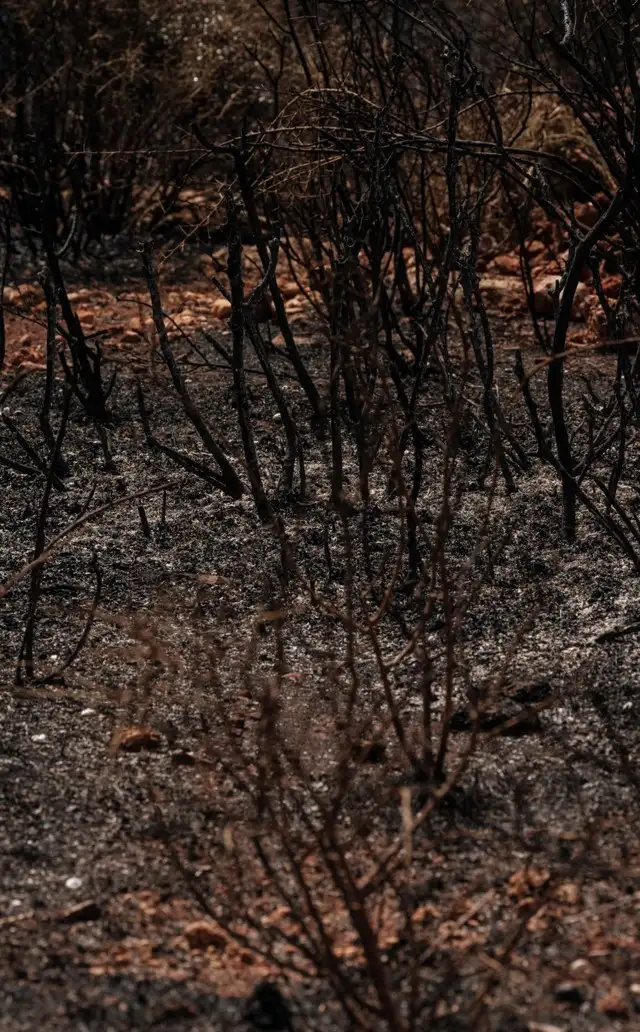
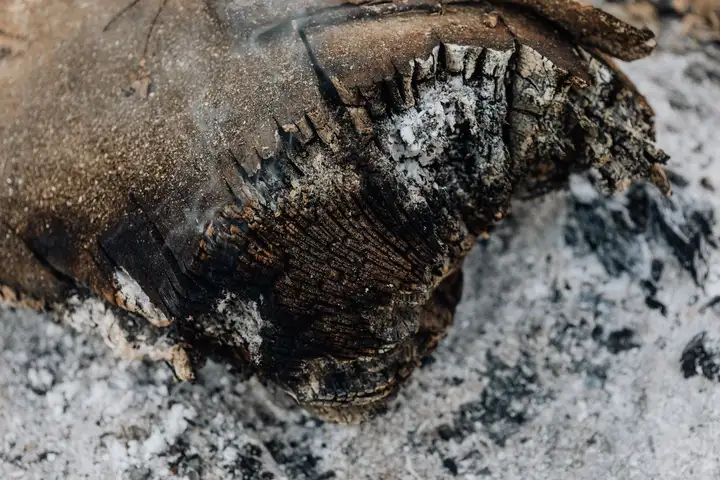
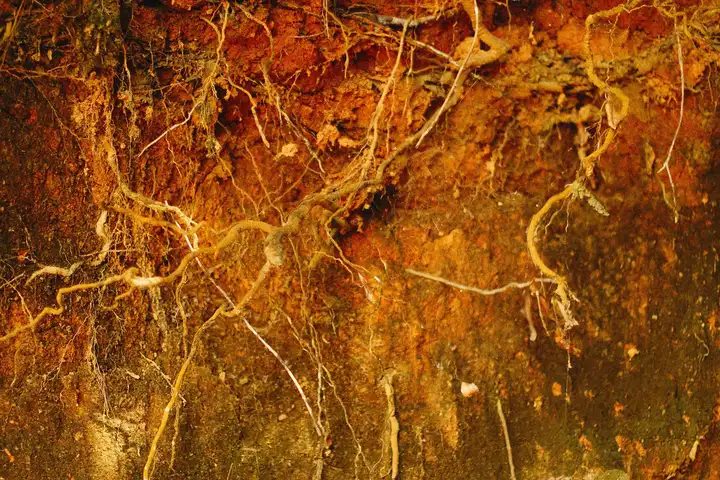
A fire leaves metals and char in the top few inches of ground. We test it, treat it with living things instead of trucks, and teach neighbours to do the same.
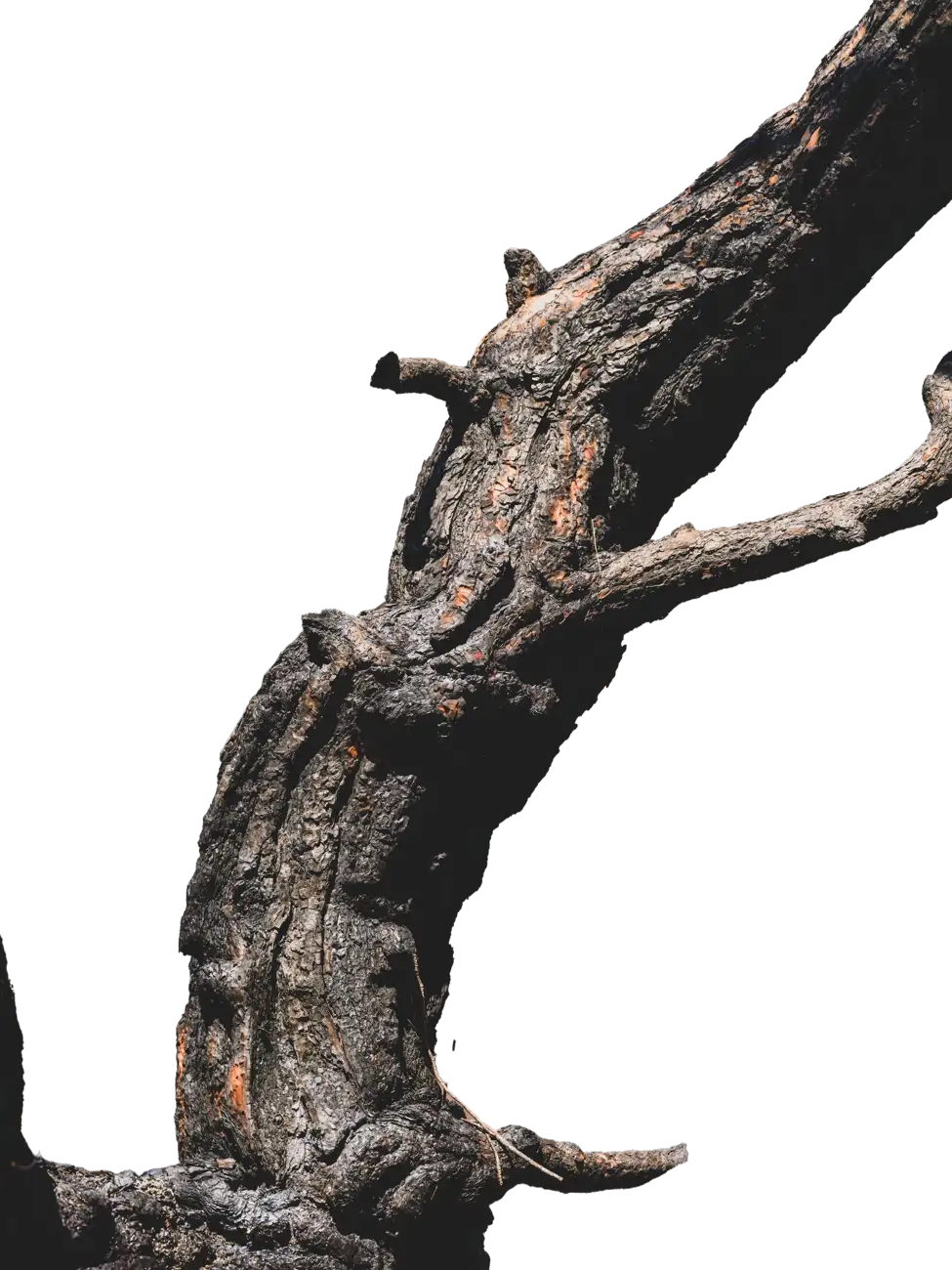

From the road the Sable Hills look green again. Up close, some slopes are still standing dead trees and bare ground, and every rain washes ash off them.
We walk the ground with the land manager and pick the piece where ash will wash off first, above a trail, a creek or a garden.
Four stakes, a first test inside them, and a page on this site that says what we found and what we did next.
fire-line cut on a public trail, 900 ft. First test: 90 mg/kg.
See the site →The ridge you just saw is one pin on the map of the 2025 burn scar.
Every pin is a page with its first test, what we did and the second test. Tap one to open it.
First we test. Several cores from each site go to an outside lab, and the results are posted on the site’s page.
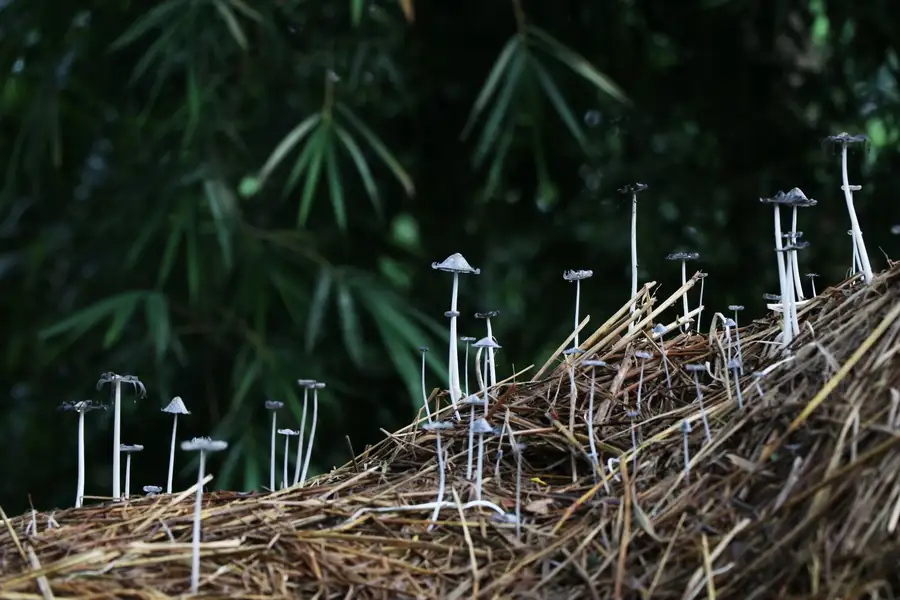
We lay straw grown through with oyster mushroom. The fungi break down fuel residue and the mat holds the ash in place through the rains.
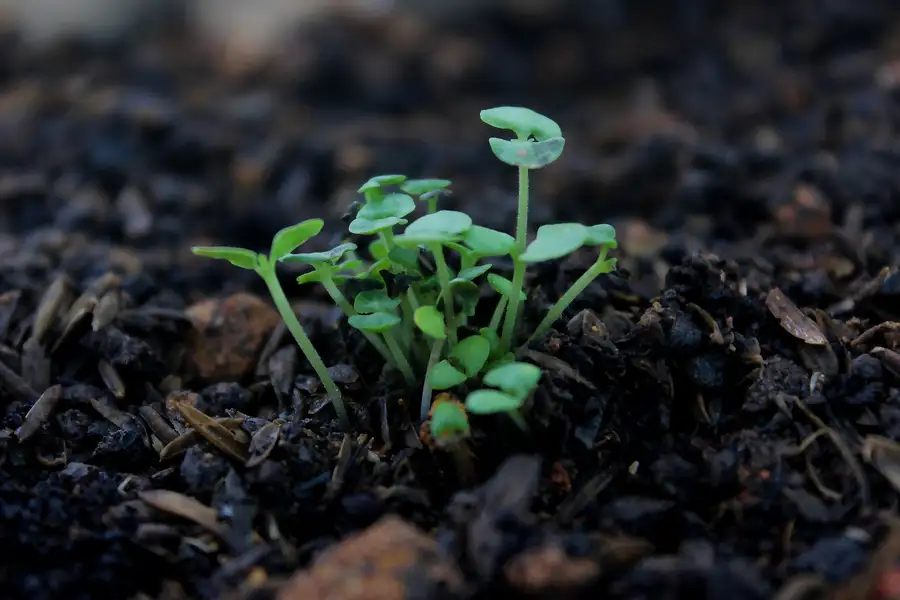
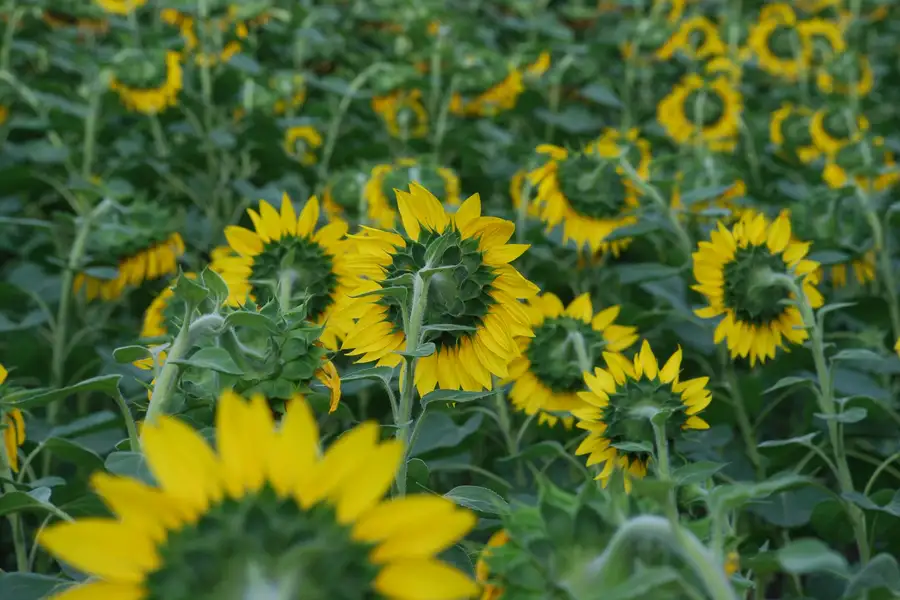
Sunflowers, mustards and native grasses follow. Some draw metals up into their leaves, which are cut, bagged and taken away. All of them hold the slope.
Same depth, same lab. A site is finished when the second test is under the level the county set, and the page says so.
Every site we take on is on the sites page with what we found, what we did and what the second test said. What a number means for a family is for the county health department, not for us.
 Before
| Site | What we used | Lead, first test | Lead, second test | How it was measured |
|---|---|---|---|---|
| Old depot yard | oyster mushroom straw, sunflowers, char | 410 mg/kg | 96 mg/kg | outside lab · 0 to 4 in · 9 cores |
| Mesa Verde school garden | raised beds, compost, char | 180 mg/kg | at the lab now | outside lab · 0 to 6 in · 12 cores |
| Fern Street lot | oyster mushroom straw, native grasses | 260 mg/kg | treatment under way | field XRF, then outside lab |
| Arroyo creek bank | willow wattles, sedges | 140 mg/kg | holding through the rains | outside lab · sediment · 6 cores |
All readings here are sample data for a demonstration. A real site would link each figure to the lab report, and to the county’s and the state’s own screening levels. Every site, with its readings →
Staff move a site from stage to stage in one screen, and this list follows.
A county bus depot that burned in the 2025 fire, on top of an old diesel spill. Our first site, and the one we learned the most from.
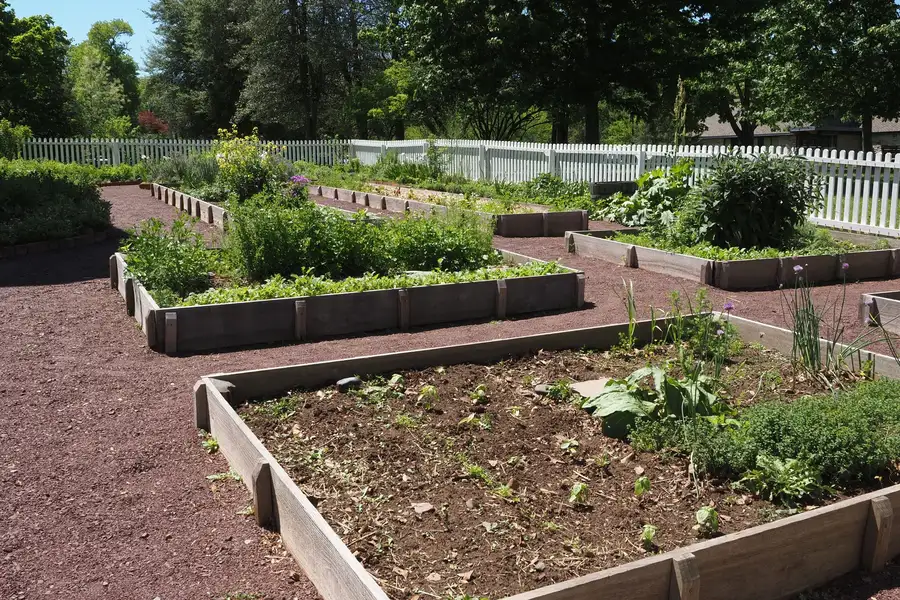
An elementary school garden downwind of the fire. The beds were rebuilt with clean soil on top of char, with the school's own garden club.
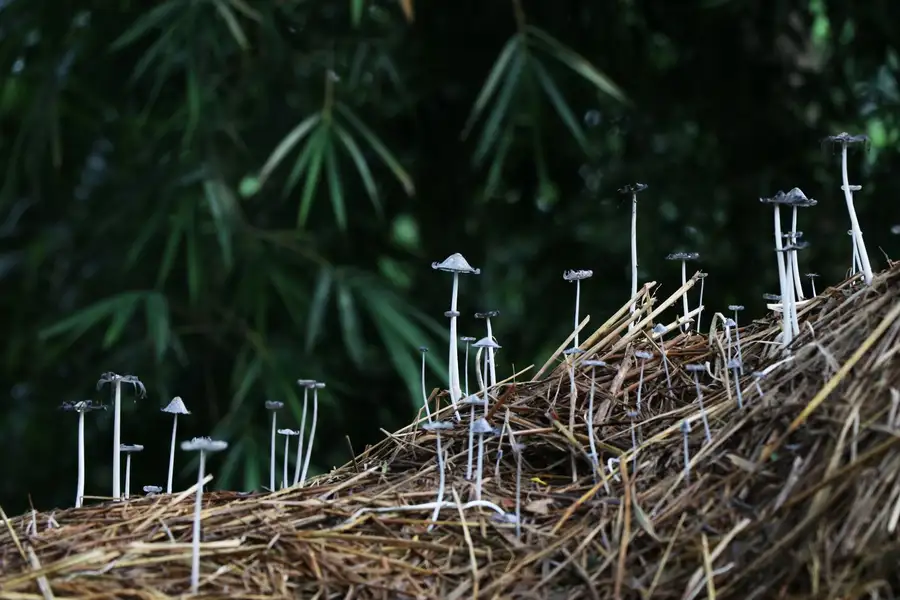
A burned house lot the owners gave us to use as a demonstration. Most free test days are held here.
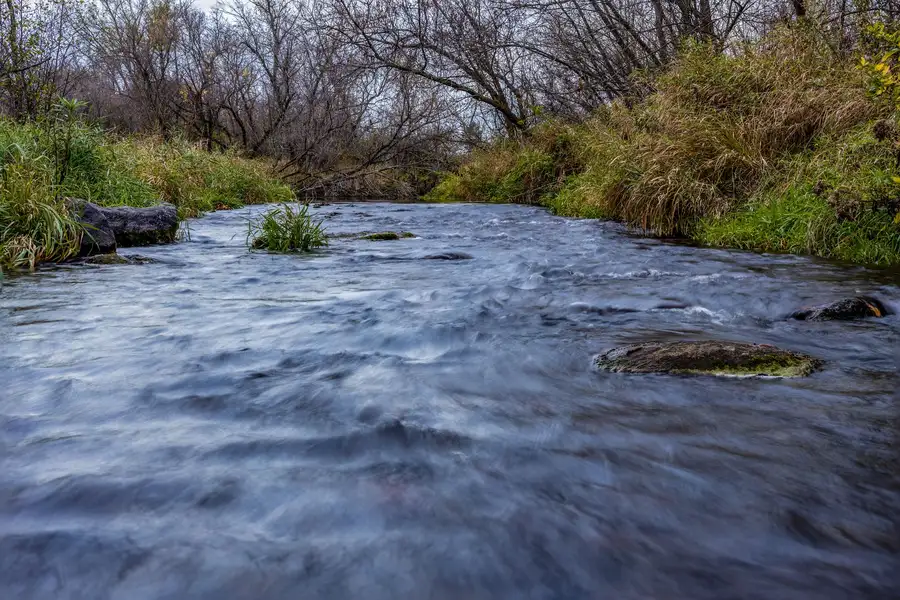
Where ash from the hills above washes into the creek. Wattles and sedges hold it through the winter.
The rest are on the sites page, each with its readings and what happens next.
Sample video. Cinder & Root is invented, so it has no footage of its own: the clips are free stock (Pexels) and the narration is a synthetic voice. For a real organization connectNPO uses only the photos and clips its staff send.
How a site is tested and treated, the fourteen sites on the record, one sample reading (lead from 410 to 96 mg/kg at the old depot yard), and the 2025 year: $612,400 in, $588,900 spent, 81% on the work itself. The same figures are on this site and in the sample Form 990.
Made by connectNPO, who built this site. Short videos like this are part of the plan.
A few questions about the property and none about anyone’s health. We reply with the next free test day near you and what to bring.
Ask for a test →If your yard, garden or lot burned, the first step is knowing what is in the soil. The test day is free, and nobody asks why you want to know.